Introduction: The Challenge of Clean EKG Readings
Electrocardiograms (EKGs or ECGs) are critical diagnostic and monitoring tools in healthcare, but they're only as reliable as the signal quality allows. Artifacts, poor electrode contact, lead failures, and patient movement can all compromise tracings, leading to misinterpretations or repeated tests.
For biomedical engineers, nurses, and clinical staff, knowing how to systematically troubleshoot EKG lead issues is essential for maintaining high-quality care. This guide covers the most common problems encountered with EKG monitoring and offers practical, field-tested solutions for resolving them quickly.
Why Troubleshooting Matters
EKG readings guide decisions about arrhythmia management, ischemia detection, and patient stability monitoring.
- False alarms from poor signal quality can lead to alarm fatigue.
- Missed changes can delay critical interventions.
- Frequent retesting wastes time and resources.
A small investment in good technique and systematic troubleshooting can improve patient safety and reduce costs.
Common Causes of EKG Signal Problems
Let's start by understanding why EKGs fail or degrade in the first place.
1️⃣ Motion Artifacts
Patient movement, shivering, or even heavy breathing can introduce baseline wander and noise.
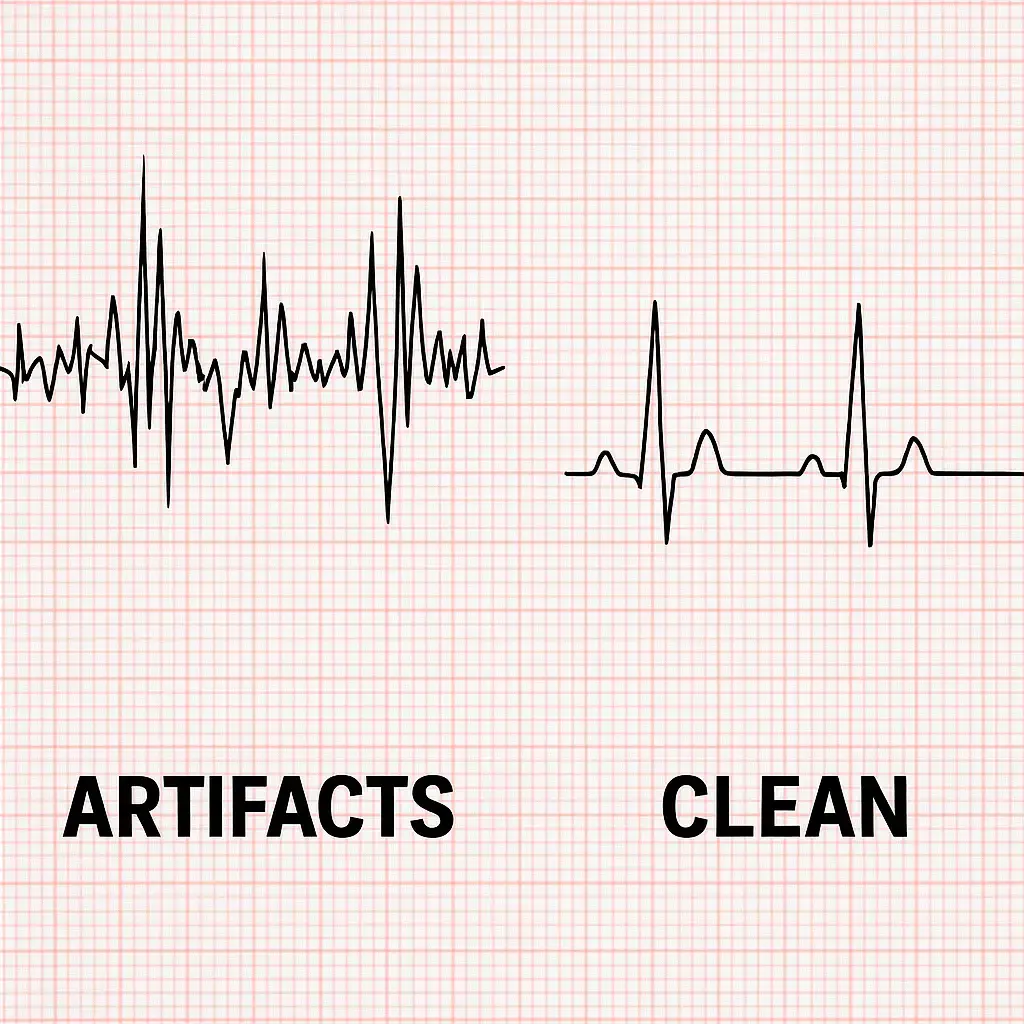
Signs: Wavy or erratic baseline, spikes during movement.
Solution:
- Reassure and calm the patient if possible.
- Secure cables to avoid pulling.
- Use high-quality, fresh electrodes with good adhesive.
- Consider additional fixation (tape or straps) for restless patients.
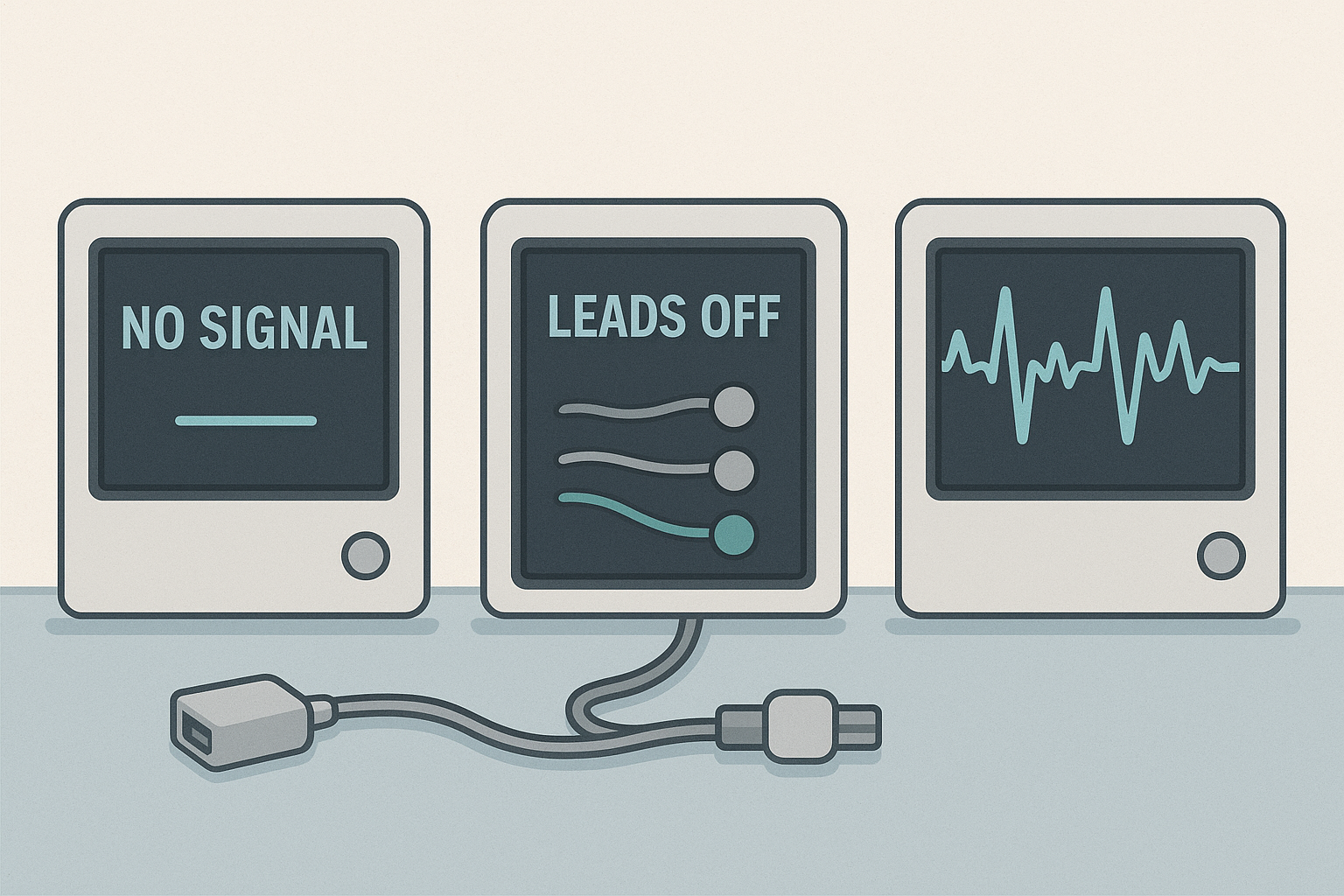
2️⃣ Poor Skin-Electrode Contact
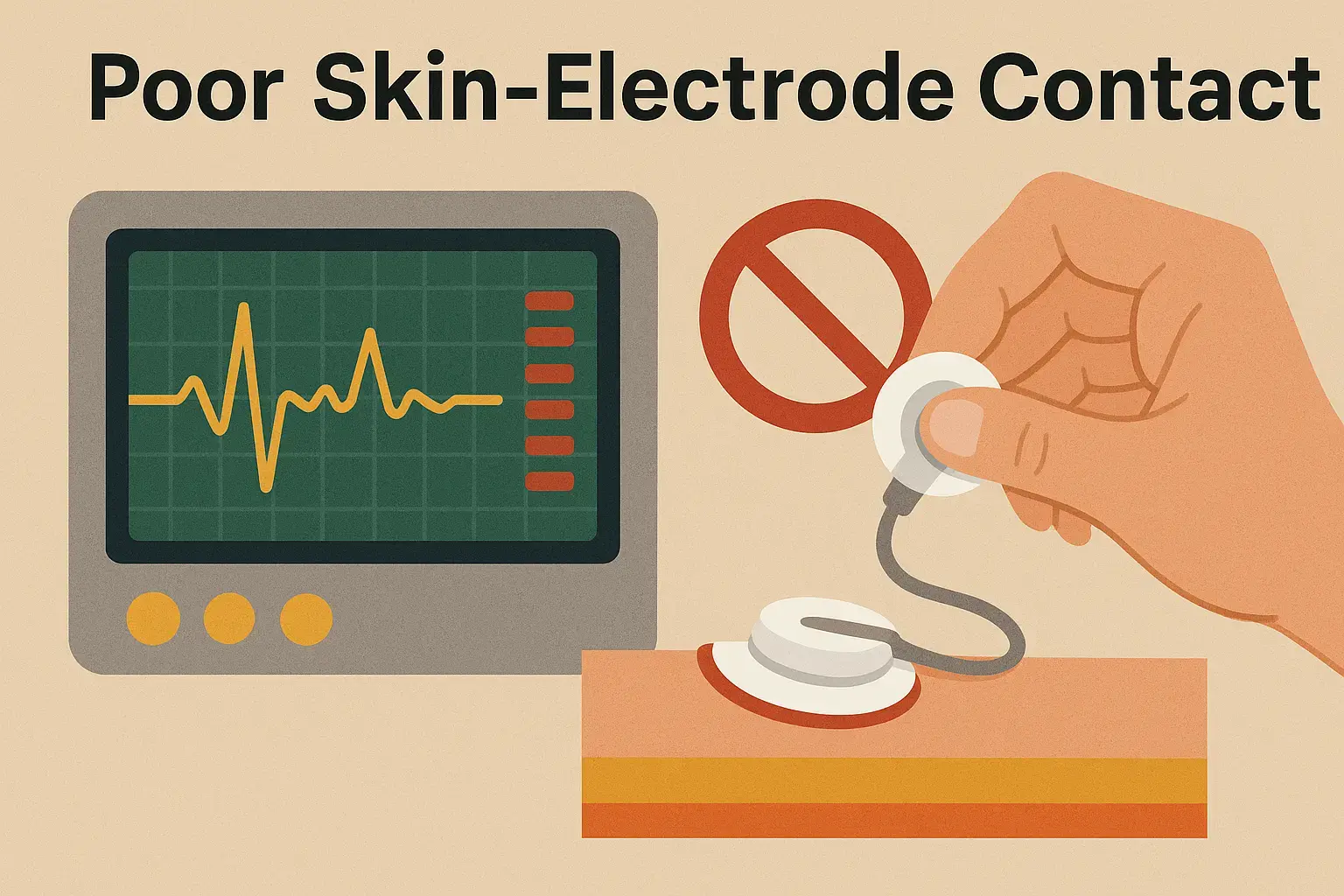
Dry skin, oil, sweat, or hair can increase impedance.
Signs: Intermittent signal loss, noisy tracings, leads falling off.
Solution:
- Clean the skin with alcohol and let dry.
- Shave hair at electrode sites if needed.
- Replace dried-out or old electrodes.
- Ensure good pressure without discomfort.
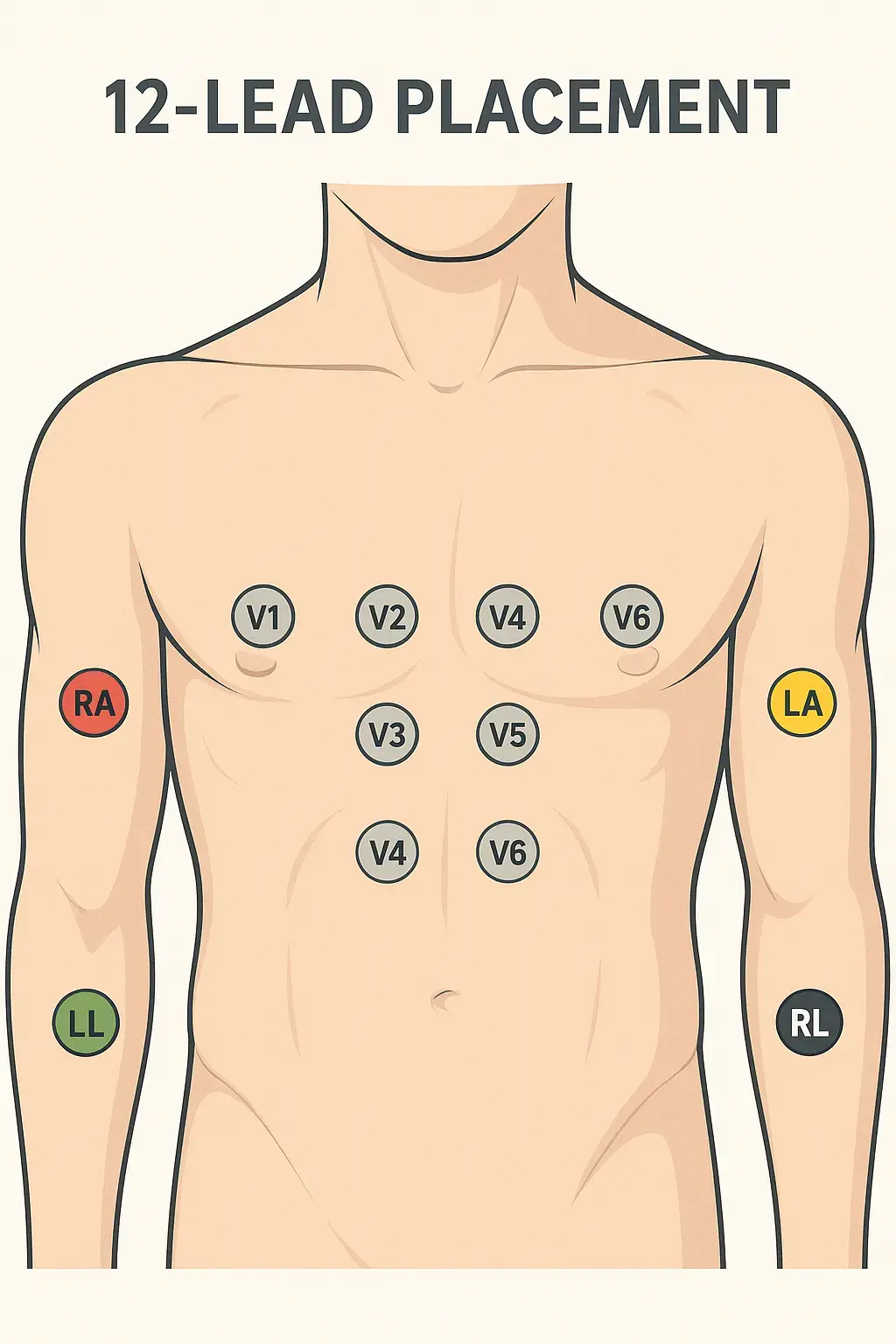
3️⃣ Electrode Misplacement

Incorrect placement alters waveforms and can mimic pathology.
Signs: Unexpected axis deviation, absent P waves, unusual QRS morphology.
Solution:
- Double-check placement against standard landmarks.
- Use diagrams or printed guides at the bedside.
- Train staff regularly on correct placement, especially for 12-leads.
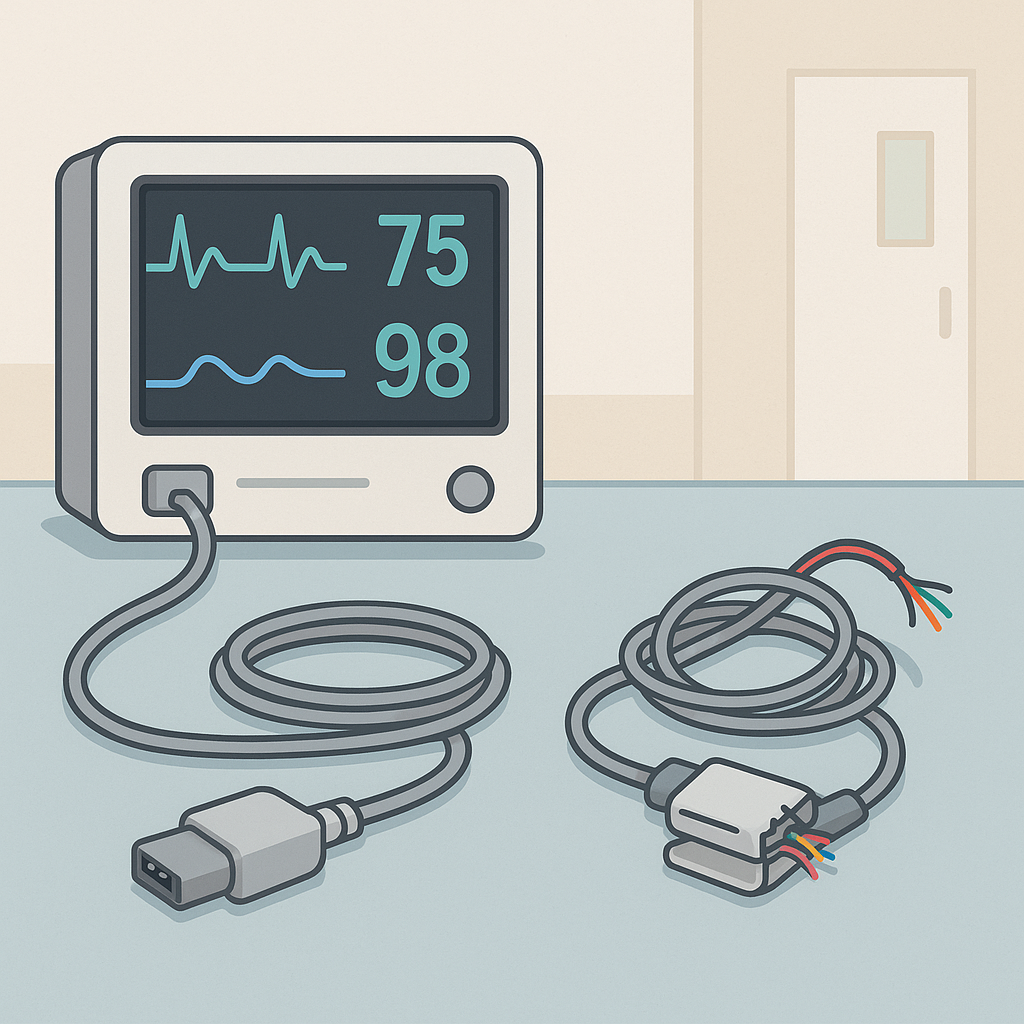
4️⃣ Cable or Leadwire Damage
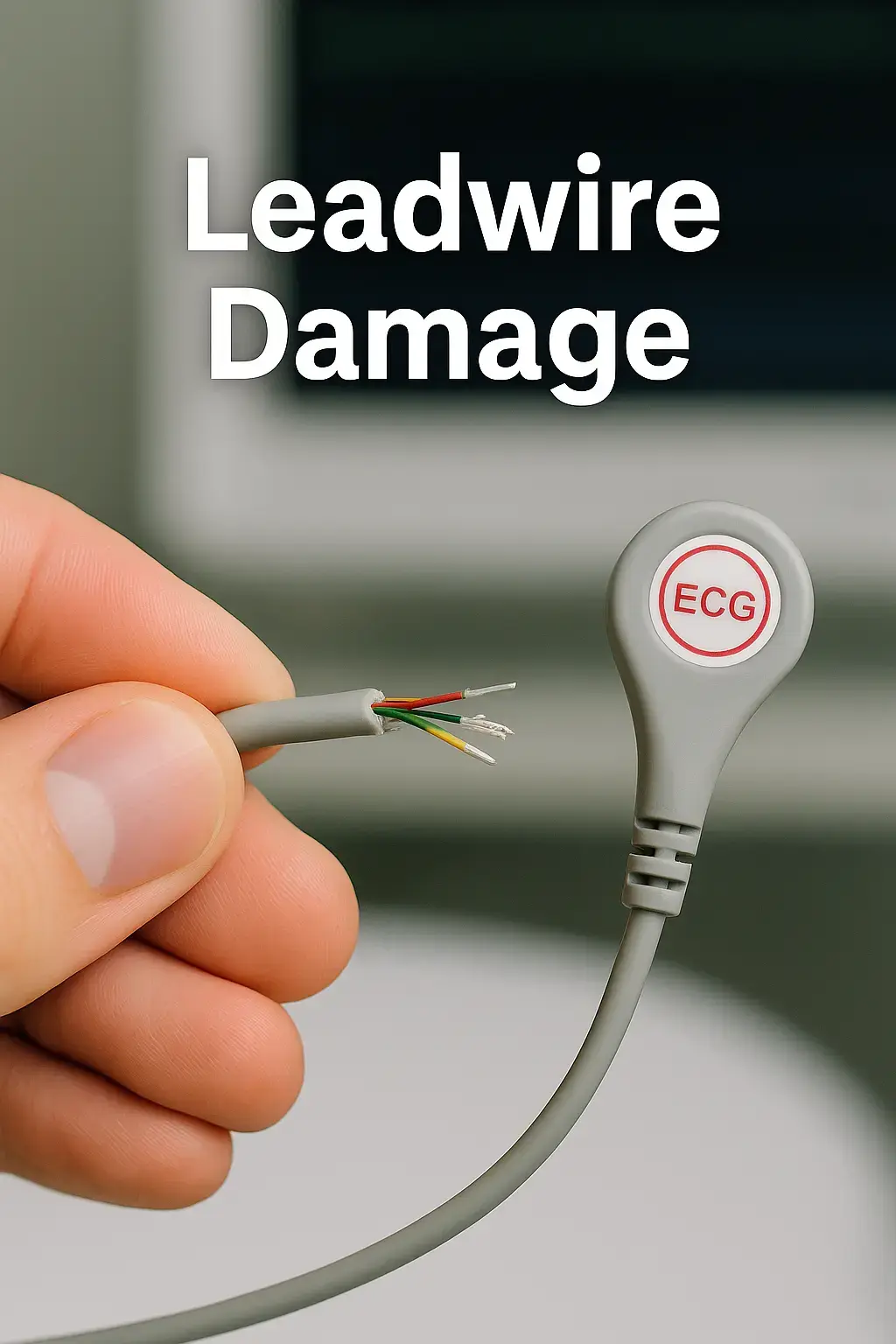
Worn or broken cables can create intermittent or noisy signals.
Signs: Flickering trace, loss of signal in one lead, clear cable damage.
Solution:
- Inspect cables routinely for wear.
- Replace damaged cables immediately.
- Store cables properly to avoid strain.
5️⃣ Dry or Expired Electrodes
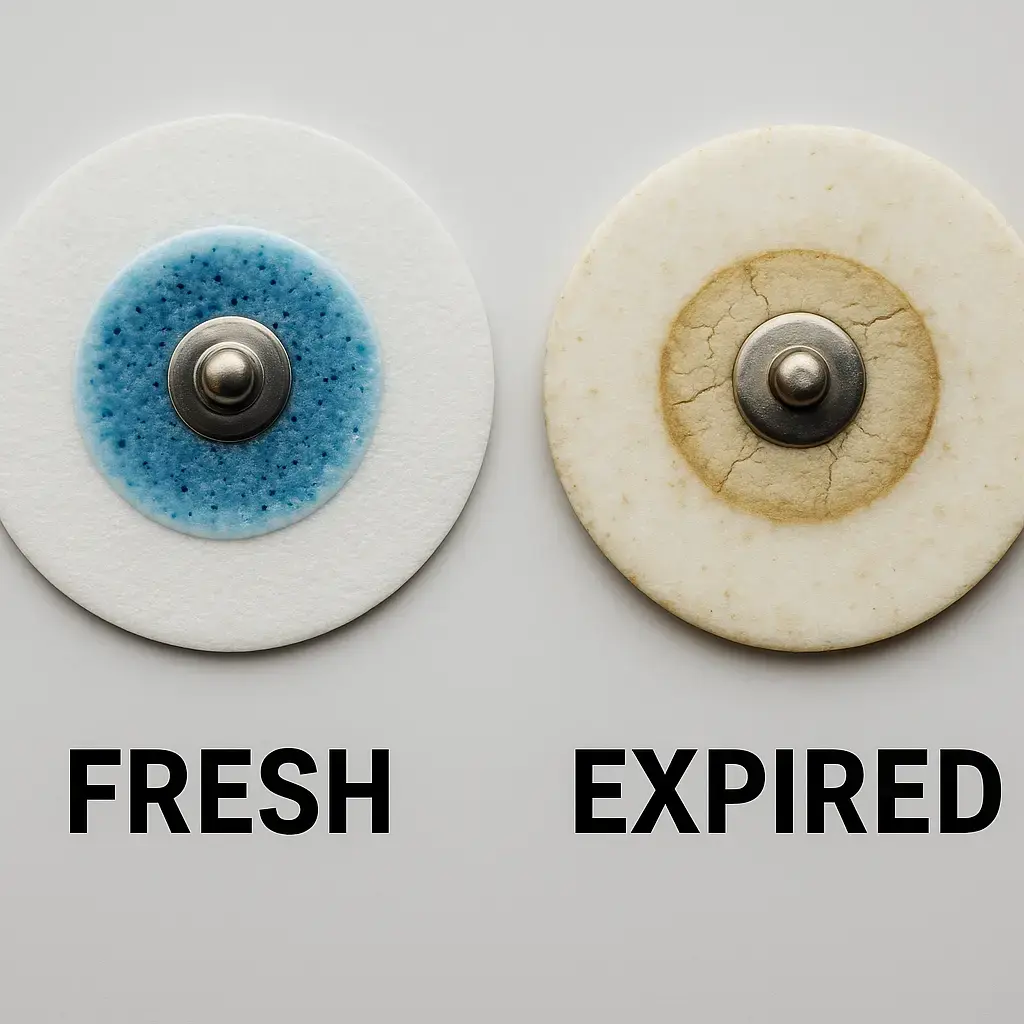
Electrode gel dries out over time.
Signs: High impedance, intermittent loss of contact.
Solution:
- Check expiration dates on electrode packaging.
- Use electrodes promptly after opening.
- Discard any that seem dry or fail on application.
Practical Troubleshooting Checklist
Here's a systematic approach for clinicians and biomeds:
- Confirm patient is still and comfortable.
- Check for sweating or oily skin; clean if needed.
- Shave excessive hair at electrode sites.
- Ensure electrodes are within expiration date.
- Press firmly to secure good contact.
- Inspect cables and leadwires for cracks or breaks.
- Confirm correct electrode placement for the monitoring mode.
- Secure cables to minimize tugging.
- Reboot or recalibrate monitor if issues persist.
Tips for Reducing Artifacts in Practice
- Educate staff about proper prep and placement.
- Use high-quality electrodes and cables.
- Rotate electrode sites in long-term monitoring to avoid skin irritation.
- Maintain a supply of fresh electrodes, especially in hot or humid climates.
- Schedule routine inspections of cables and connectors.
Training and Quality Assurance
Troubleshooting EKG leads isn't just an individual skill—it's a team practice. Consider:
- Periodic staff training: Reinforce standard placement and prep techniques.
- Protocols and checklists: Reduce variation between staff members.
- Routine equipment checks: Identify failing cables before they cause problems.
By standardizing these practices, facilities can reduce artifacts, false alarms, and repeat tests.
How Medten Supports High-Quality Monitoring
At Medten, we understand the real-world challenges of maintaining reliable monitoring in busy clinical environments. That's why we offer a range of compatible EKG cables and leadwires designed for excellent signal quality, durability, and cost-effectiveness.
Our accessories undergo rigorous testing to ensure they deliver consistent performance while offering a cost-effective comparable to OEM parts.
Explore Our Compatible EKG Accessories Here
Frequently Asked Questions (FAQ)
Q: How often should EKG cables be replaced?
A: It depends on use and wear. Inspect cables regularly for damage and replace at the first sign of failure to avoid artifacts or signal loss.
Q: Can old electrodes be used if they still stick?
A: No. Even if adhesive seems fine, the conductive gel may have dried out, increasing impedance and noise.
Q: What should I do if all troubleshooting fails?
A: Try another monitor if available. Persistent problems may indicate internal monitor faults requiring service.
Disclaimer
This content is provided for informational purposes only and does not constitute medical advice. Always follow your institution's protocols and manufacturer guidelines.