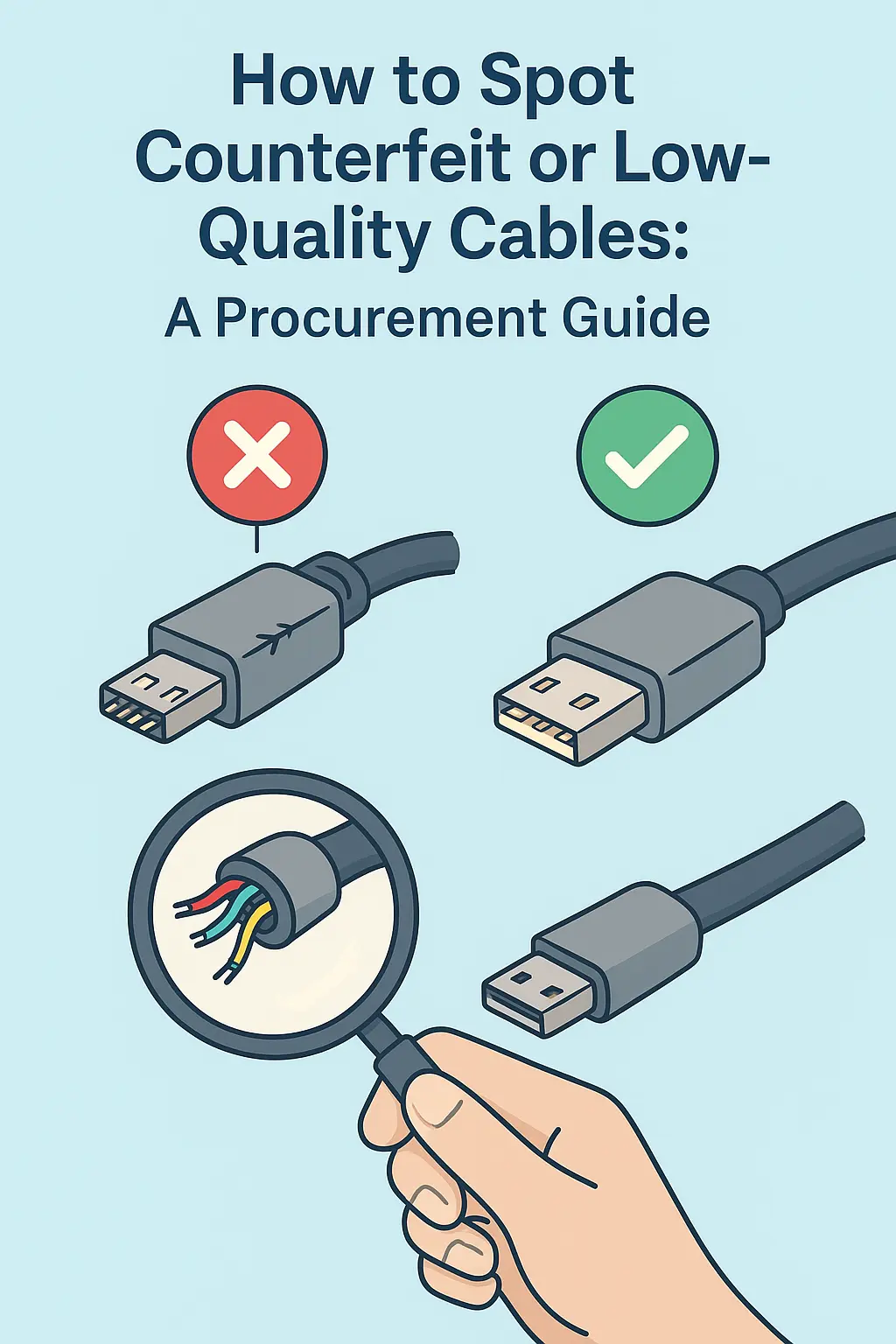
Introduction: Why Counterfeit Accessories Are a Growing Risk
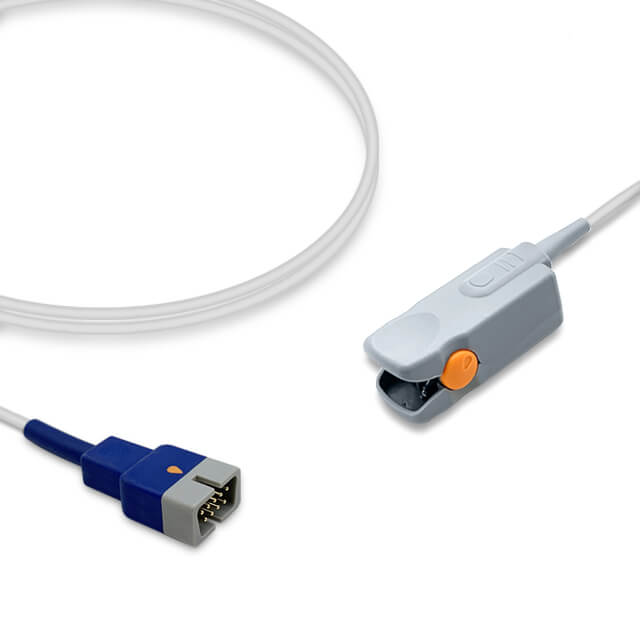
For procurement teams, the stakes are high when sourcing patient monitoring accessories. On the surface, cables may look identical — an ECG leadwire with the same connector, an SpO₂ sensor with a similar clip, or a NIBP hose with the same fittings. But beneath the surface, counterfeit or low-quality accessories can put patients at risk, shorten equipment life, and increase long-term costs.
With more distributors entering the market, it's critical for hospitals to distinguish between certified compatible accessories and unsafe look-alikes. This guide explains the warning signs of counterfeit or low-quality products and how procurement teams can avoid costly mistakes.
1. Incomplete or Incorrect Labeling
What to look for:
- Clear manufacturer information, lot numbers, and compliance marks (FDA, CE, ISO).
- Durable, legible labels that match documentation.
Red flag: Labels with spelling errors, missing regulatory marks, or inconsistent branding.
2. Lack of Documentation or Certification
What to look for: Suppliers who provide FDA registration, CE certificates, ISO 13485 audits, and test reports upon request.
Red flag: Vendors who avoid sharing documentation, claim it isn't necessary, or send incomplete paperwork.
3. Poor Build Quality
What to look for:
- Smooth, durable cable jackets.
- Properly molded connectors and intact strain relief.
- Secure pins without corrosion or bending.
Red flag: Loose connectors, thin insulation, rough molding, or visible cracks in the jacket.
4. Inconsistent Performance
What to look for:
- Stable waveforms and readings during use.
- No frequent "Leads Off," "Check Probe," or "No Signal" messages.
Red flag: Erratic traces, frequent disconnections, or inconsistent readings — especially if issues improve when switching to a known-good cable.
5. Unrealistic Pricing
What to look for: Pricing that is competitive but in line with other certified compatible suppliers.
Red flag: Prices dramatically lower than market standards — often a sign of counterfeit, recycled, or untested parts.
OEM vs. Compatible vs. Counterfeit: The Key Distinction
- OEM (Original): Produced by the monitor manufacturer, guaranteed compatible, highest cost.
- Compatible (Certified): Produced by trusted manufacturers like Orantech and distributed by Medten. Fully tested, compliant, safe, and cost-effective.
- Counterfeit/Low-Quality: Unverified, often lacking documentation, built with inferior materials, and a risk to patient safety.
Medten specializes in certified compatible accessories, never counterfeits — giving procurement teams confidence that their purchases meet international standards and protect both patients and staff.
Quick Procurement Checklist
Before purchasing, ask:
- Does the product carry FDA, CE, and ISO certification?
- Can the supplier provide documentation on request?
- Do the cables and connectors pass a physical inspection?
- Are performance issues ruled out through sample testing?
- Does the price align with trusted suppliers?
How Medten Protects Procurement Teams
Medten distributes a full range of certified compatible patient monitoring accessories — including ECG cables, SpO₂ sensors, NIBP hoses, IBP kits, and temperature probes. Every product is:
- Manufactured under strict ISO 13485 and FDA/CE standards.
- Tested for durability, compatibility, and signal integrity.
- Backed by responsive support and a global distribution network.
Conclusion + Call to Action
Counterfeit accessories aren't just a budget problem — they can disrupt care and compromise patient safety. By learning the signs of poor quality and insisting on certified compatible products, procurement teams can protect their hospitals and patients.