Introduction
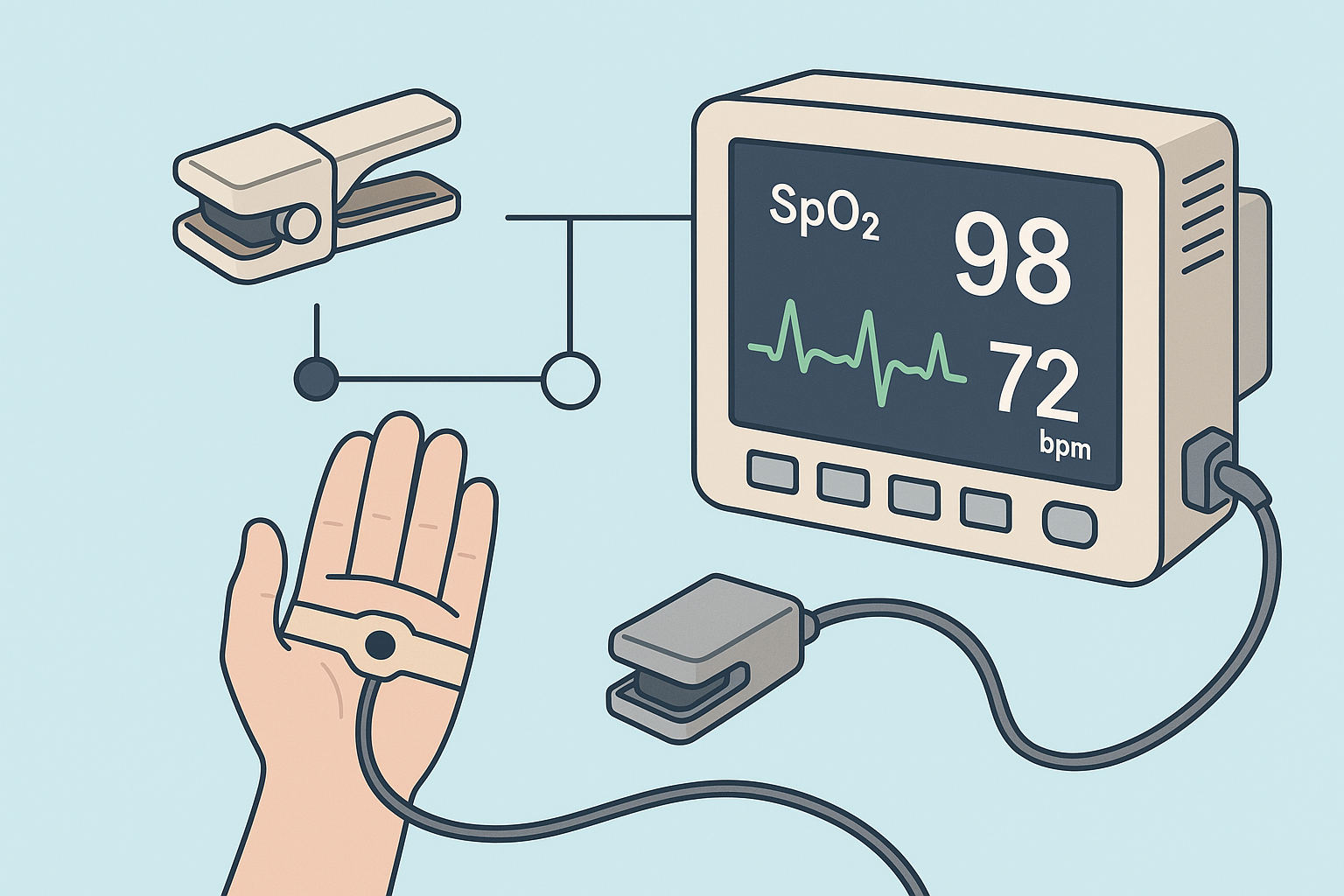
Pulse oximetry has become one of the most indispensable technologies in healthcare. From ICUs to EMS transport, the ability to monitor oxygen saturation in real time saves lives every day. Yet even the best monitors are only as accurate as the sensors attached to them.
One of the most frequent — and costly — sources of monitoring errors is compatibility failure. Two sensors may look nearly identical, but if they don't "speak the same language" as the monitor, clinicians may see unstable readings, error codes, or no signal at all. For biomedical engineers and procurement teams, understanding SpO₂ compatibility is critical to avoiding wasted resources and maintaining patient safety.
This post explores how SpO₂ compatibility works, why mismatches occur, and how hospitals can prevent them with clear policies and smart procurement practices.
Why Compatibility Matters
Pulse oximeters work by transmitting light through tissue and analyzing the absorption to estimate oxygen saturation. Each monitor brand uses specific optical algorithms and proprietary protocols to interpret the data. That means the sensor isn't just a passive accessory — it's an active component that must be aligned with the monitor's design.
When compatibility fails, problems arise:
- No readings: The monitor simply won't recognize the sensor.
- Intermittent or unstable readings: Incorrect signal processing creates spikes or dropouts.
- Inaccurate values: Even when numbers appear, mismatched sensors can deliver misleading results.
These errors not only waste staff time but can also delay recognition of hypoxemia. In the worst cases, patients may receive inappropriate treatment based on faulty readings.
Common Protocol Families
Although dozens of monitor brands exist, most fall into three main protocol families.
- Nellcor-style sensors — One of the most widely used worldwide, particularly in hospitals that standardized early on Nellcor's technology.
- Masimo-style sensors — Known for advanced motion-tolerant algorithms, common in ORs, ICUs, and high-acuity settings.
- OxiMax-style sensors — Used by Philips and other brands with Nellcor compatibility variants.
Each family has unique signal processing requirements. Even if a connector appears to fit, the underlying protocol may not align. That's why visual similarity can be misleading — and why procurement must match sensors by monitor model, not just by look.
Five Steps to Confirm Compatibility
To prevent costly mix-ups, biomedical teams should adopt a structured process:
- Identify the exact monitor model. Don't just go by brand — two monitors from the same manufacturer may use different protocols.
- Check the manufacturer's compatibility table. Reliable suppliers publish cross-reference charts that list every approved model.
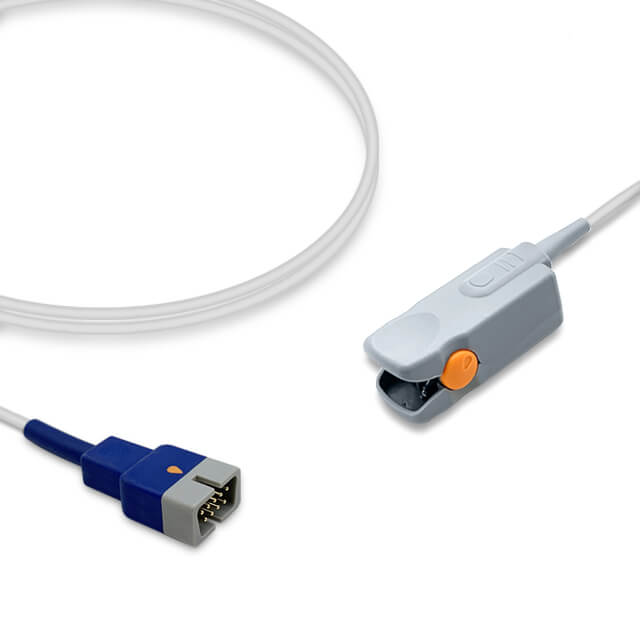
- Verify connector keying and pinout. Forcing a near-match connector can damage both sensor and monitor.
- Select the right form factor. Beyond protocol, choose the correct style (finger clip, soft wrap, forehead, neonatal wrap) for the patient population.
- Pilot test before rollout. Always trial a small batch of new sensors in the unit before committing to hospital-wide deployment.
Real-World Consequences of Mismatched Sensors
Consider an example from a telemetry unit: A hospital purchased third-party SpO₂ sensors that looked identical to its OEM sensors but were not protocol-matched. Within hours, staff reported intermittent readings and nuisance alarms. Nurses lost confidence in the monitors, biomed spent days troubleshooting, and procurement had to reorder replacements at additional cost.
The lesson? Even minor compatibility mismatches can create a cascade of wasted time, money, and clinical trust.
Troubleshooting Compatibility Issues
If clinicians suspect a compatibility issue, here are common symptoms and likely causes:
- No signal at all → mismatched protocol or connector error.
- Erratic or unstable readings → sensor protocol not fully supported; may also indicate poor fit.
- Error codes or alarms → monitor firmware not recognizing the accessory.
- Inconsistent performance between patients → mixed inventory of compatible and incompatible sensors in the same unit.
Quick fix: Swap in a sensor from the known-good supply. If the problem resolves, log the incompatible sensors and remove them from circulation.
Procurement Safeguards
Procurement plays a critical role in preventing compatibility failures. Best practices include:
- Request written compatibility charts from vendors and keep them updated.
- Standardize procurement across the hospital to avoid mixed inventories.
- Ask for documentation: ISO 13485 certification, FDA/CE clearance, and Instructions for Use (IFUs).
- Maintain backup vendors for disposables in case of supply chain disruptions.
- Train staff: Ensure nurses and techs know which sensors pair with which monitors.
By combining clear documentation with consistent training, hospitals can avoid most compatibility-related headaches.
Training and Workflow Integration
Compatibility policies shouldn't be limited to procurement offices. They need to reach the front line.
- Unit crib sheets: Post laminated cards with "approved sensors by monitor model."
- Onboarding modules: Teach new staff how to confirm compatibility and what red flags to look for.
- Quarterly reviews: Rotate through units to confirm staff are confident in sensor selection.
This integration ensures procurement decisions translate into reliable patient monitoring at the bedside.
Frequently Asked Questions
Q: Can adapters allow cross-compatibility?
A: Sometimes, but only if approved by the manufacturer. Many adapters introduce performance caveats and are not recommended for critical care.
Q: Are third-party compatible sensors safe?
A: Yes — when sourced from reputable manufacturers that provide regulatory documentation and testing data. Always verify certifications before purchasing.
Q: How can hospitals prevent mix-ups?
A: Standardize procurement, label sensors by protocol family, and provide staff with clear visual guides.
Medten's Role in Reliable Monitoring
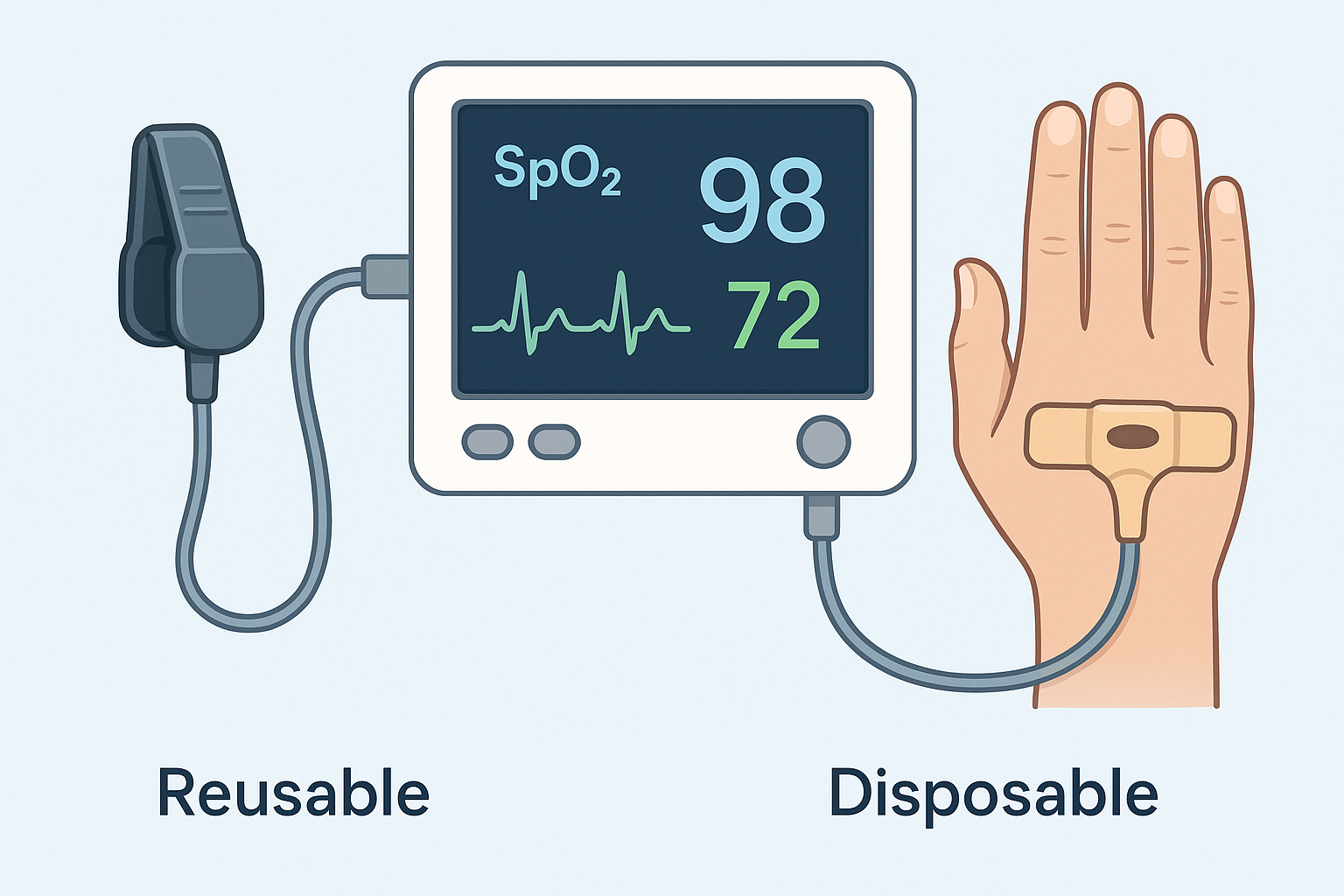
At Medten, we understand the cost of compatibility errors. That's why every sensor we distribute comes with clear model cross-references, rigorous testing, and compliance with international standards. Our portfolio includes both reusable and disposable SpO₂ sensors across Nellcor, Masimo, and OxiMax families — ensuring hospitals can match the right sensor to the correct monitor every time.
Explore Our Compatible SpO₂ Sensors Here
Disclaimer
This content is provided for informational purposes only and does not constitute medical advice. Always follow your institution's protocols and manufacturer guidelines.