Introduction: Why Procurement Decisions Matter
Patient monitoring accessories are not just add-ons — they are the critical bridge between patients and monitors. ECG leadwires, SpO₂ sensors, NIBP cuffs, IBP kits, and temperature probes all play a vital role in accurate, reliable monitoring. For procurement teams, the decision to buy the right accessories has a direct impact on patient safety, staff efficiency, and hospital budgets.
The marketplace is crowded with suppliers claiming to offer "compatible" parts. Some are certified, tested, and safe. Others are not. Asking the right questions before purchasing helps ensure you're investing in accessories that meet international standards while delivering dependable performance.
1. Can the Supplier Provide Proof of Compliance?
Every procurement officer knows compliance comes first.
Why it matters: Accessories like ECG cables and SpO₂ sensors must be manufactured under internationally recognized standards (FDA, CE, ISO 13485). Without them, there's no assurance of safety.
What to ask for: Certificates of FDA registration, CE marking, ISO 13485 audits, and recent inspection records.
Red flag: Any reluctance to share documentation.
2. How Is Compatibility Verified?
Not all cables and sensors that "fit" are truly compatible.
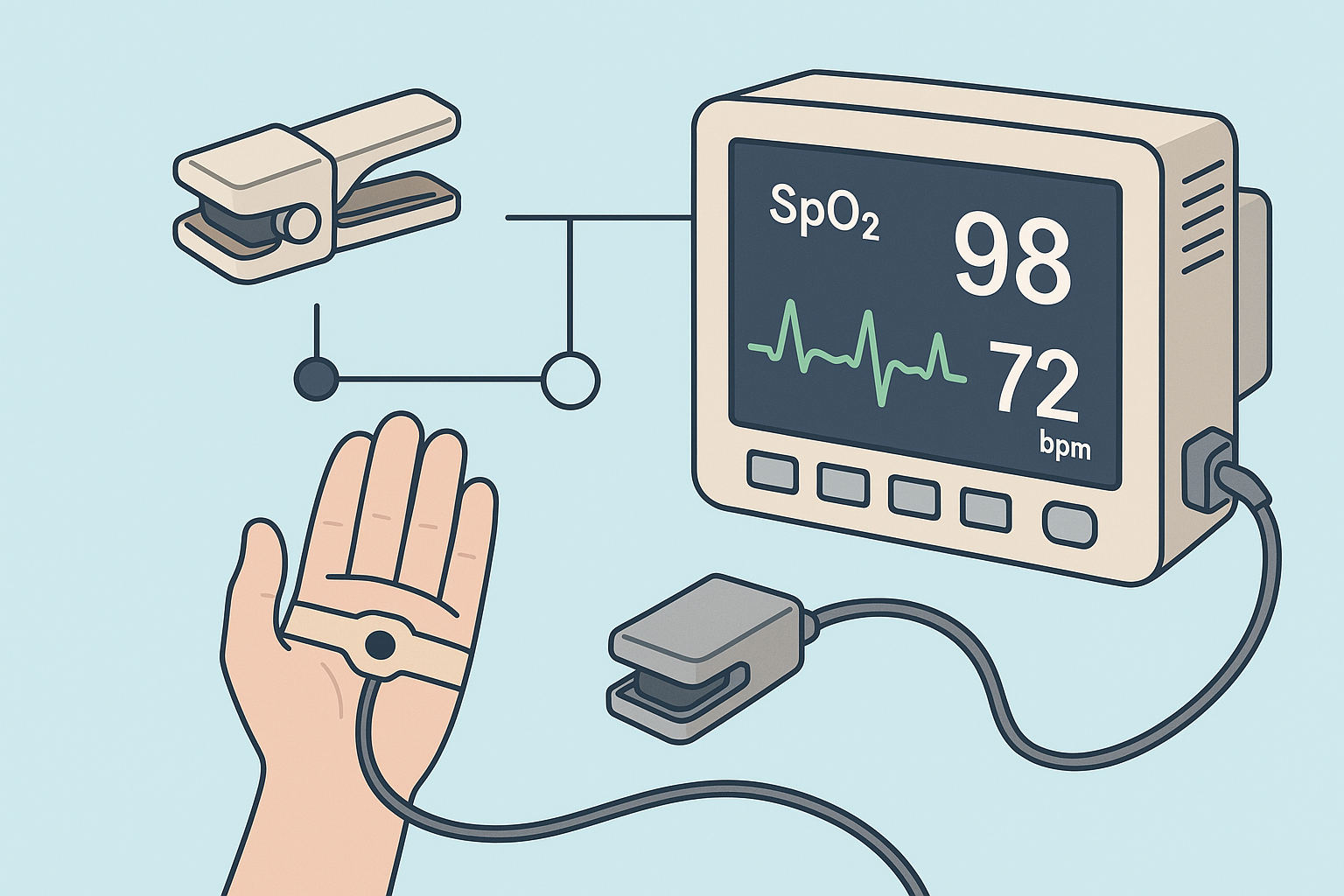
Why it matters: A SpO₂ sensor designed for one monitor family may not deliver accurate readings on another. Compatibility must be validated electronically, not just physically.
What to ask for: Compatibility charts, testing protocols, or validation data by monitor type.
Procurement tip: Request product samples for in-house testing with your monitors before large-scale purchase.
3. What Quality Controls Are in Place?
Durability matters as much as compliance.
Why it matters: Accessories undergo thousands of connection cycles and daily cleaning. Poor quality means faster failure.
What to ask for: Cable flex testing, defibrillation resistance for ECG leads, optical accuracy testing for SpO₂ probes, and airtightness testing for NIBP hoses.
Red flag: Suppliers who cannot describe their testing methods in detail.
4. What Happens If Something Goes Wrong?
Support is part of the product.
Why it matters: Even with quality accessories, replacements may be needed. A weak support system leads to clinical downtime.
What to ask for:
- Clear return and replacement policies.
- Lead times for replacement shipments.
- Access to technical support when questions arise.
5. What Is the Supplier's Track Record?
Reputation is a reliable indicator of future performance.
Why it matters: Suppliers with long-term partnerships and global distribution networks are more likely to deliver consistently.
What to ask for: Hospital references, case studies, or proof of widespread adoption.
Pro tip: Look for suppliers whose accessories are trusted in multiple regions and across diverse clinical environments.
OEM vs. Compatible Accessories: The Key Difference
OEM (Original) accessories come directly from the monitor manufacturer (e.g., ECG cables from GE, Philips, or Mindray). They are guaranteed to work but come with higher costs and limited procurement flexibility.
Compatible accessories, like those distributed by Medten, are manufactured under the same international standards (FDA, CE, ISO 13485) and validated for use with OEM monitors. They offer the same safety and performance at a more cost-effective price point.
How Medten Helps Hospitals Make the Right Choice
Medten distributes certified compatible accessories for all major categories:
- ECG cables and leadwires
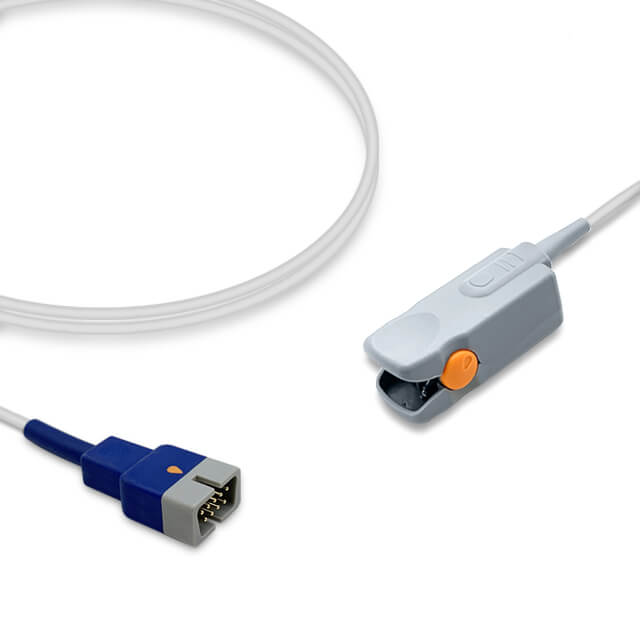
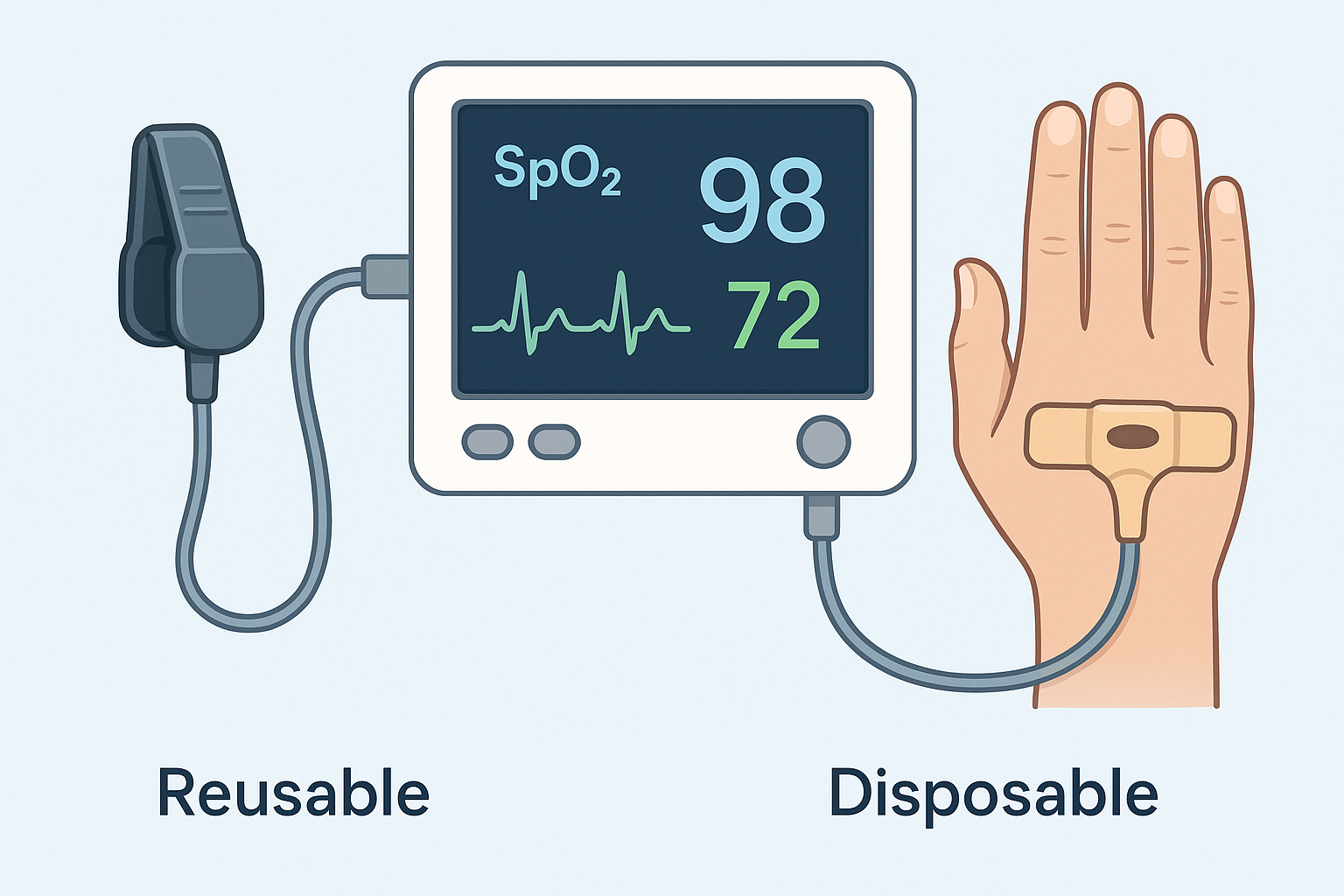
- SpO₂ sensors and extension cables
- NIBP cuffs and hoses
- IBP kits and transducers
- Temperature probes
Every product is tested for durability, validated for monitor compatibility, and fully compliant with international standards. With a global distribution network and responsive support, Medten gives procurement teams confidence that they are sourcing safe, reliable, and cost-effective alternatives to OEM parts.
Frequently Asked Questions
Q: Are compatible accessories as safe as OEM?
A: Yes — when they are manufactured under proper international standards. Medten's accessories meet FDA, CE, and ISO 13485 requirements.
Q: How often should accessories be replaced?
A: Usage determines replacement cycles: ICUs may rotate every 6–12 months; lower-use areas may go up to 24 months. Always inspect before each use.
Q: Why do some suppliers offer lower prices?
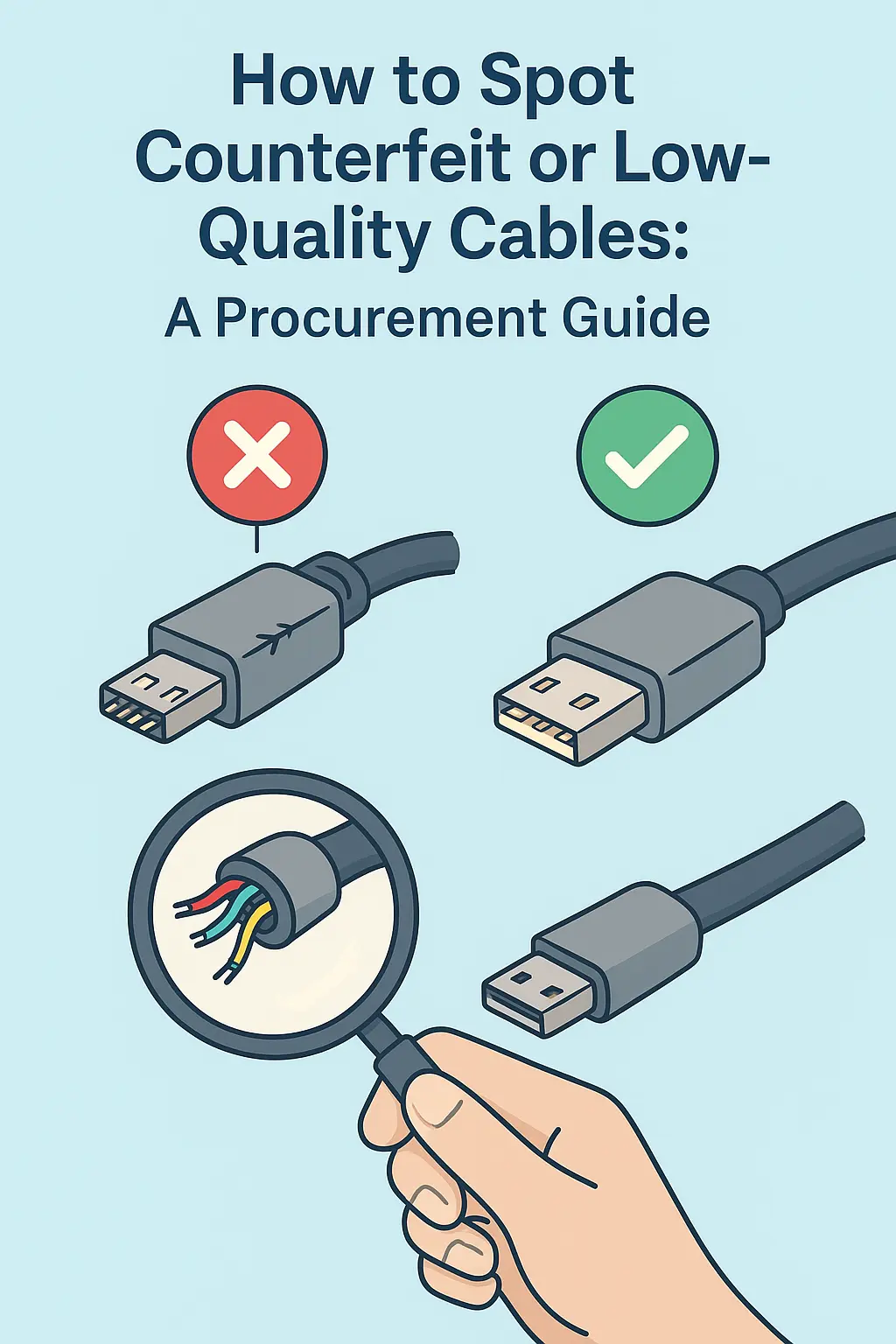
A: Often, those are counterfeit or untested products. Medten's accessories are certified compatible — offering savings without compromising quality.
Conclusion + Call to Action
Procurement is about more than cost savings — it's about safety, performance, and trust. By asking the right questions, hospitals can protect patients, reduce downtime, and stretch budgets responsibly.