Introduction: Why Compatibility Matters in Pulse Oximetry
Pulse oximeters are essential tools for patient monitoring in nearly every healthcare setting, from emergency departments to home care. But their accuracy and reliability depend on one crucial component: the sensor.
Choosing the right SpO2 sensor isn't just about fit—it's about ensuring reliable, precise readings that guide clinical decisions. Compatibility issues can lead to inaccurate readings, increased costs, and even patient safety risks. This guide will help biomedical engineers, clinicians, and purchasing teams understand what to look for when selecting compatible SpO2 sensors for their devices.
Understanding Pulse Oximeter Compatibility
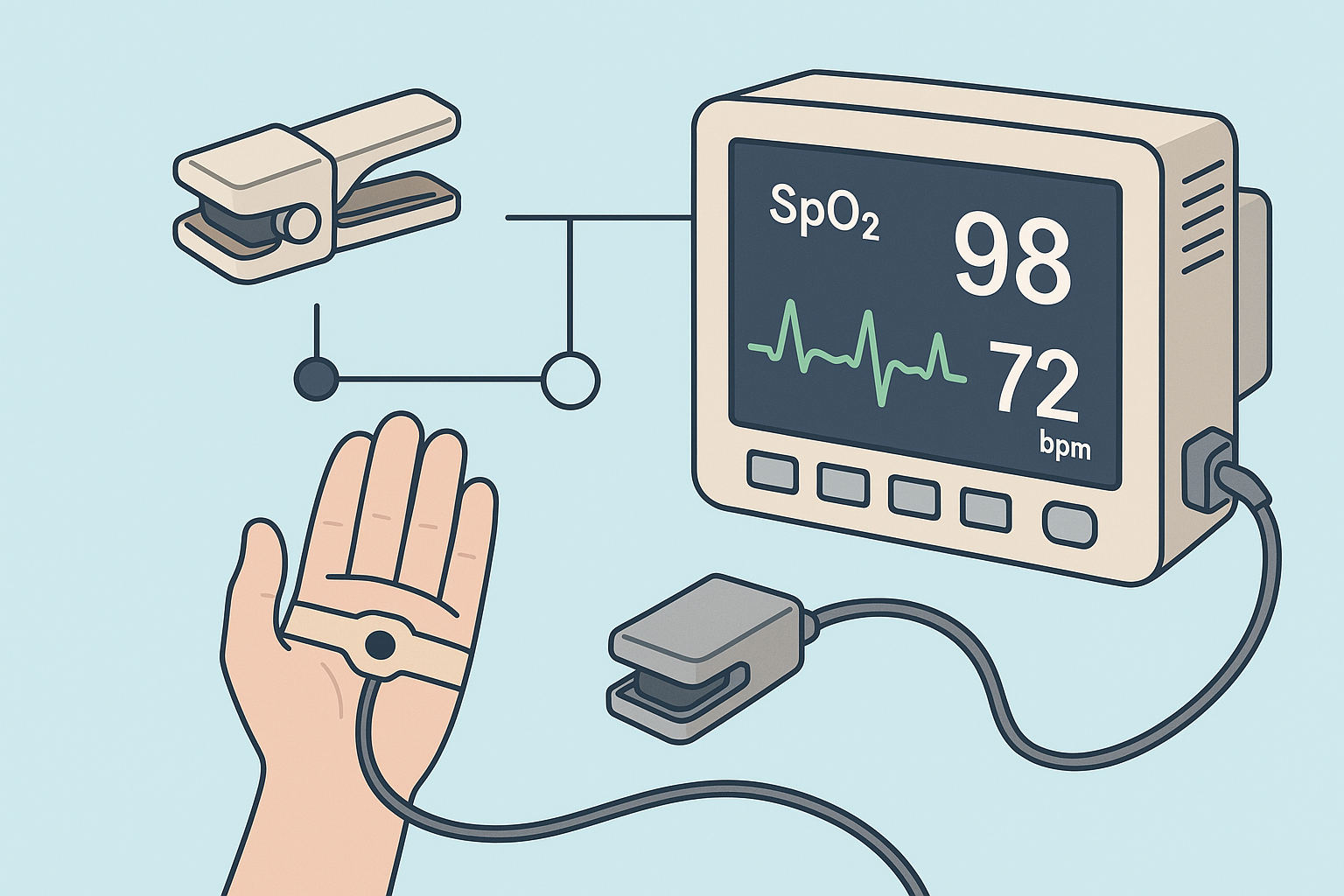
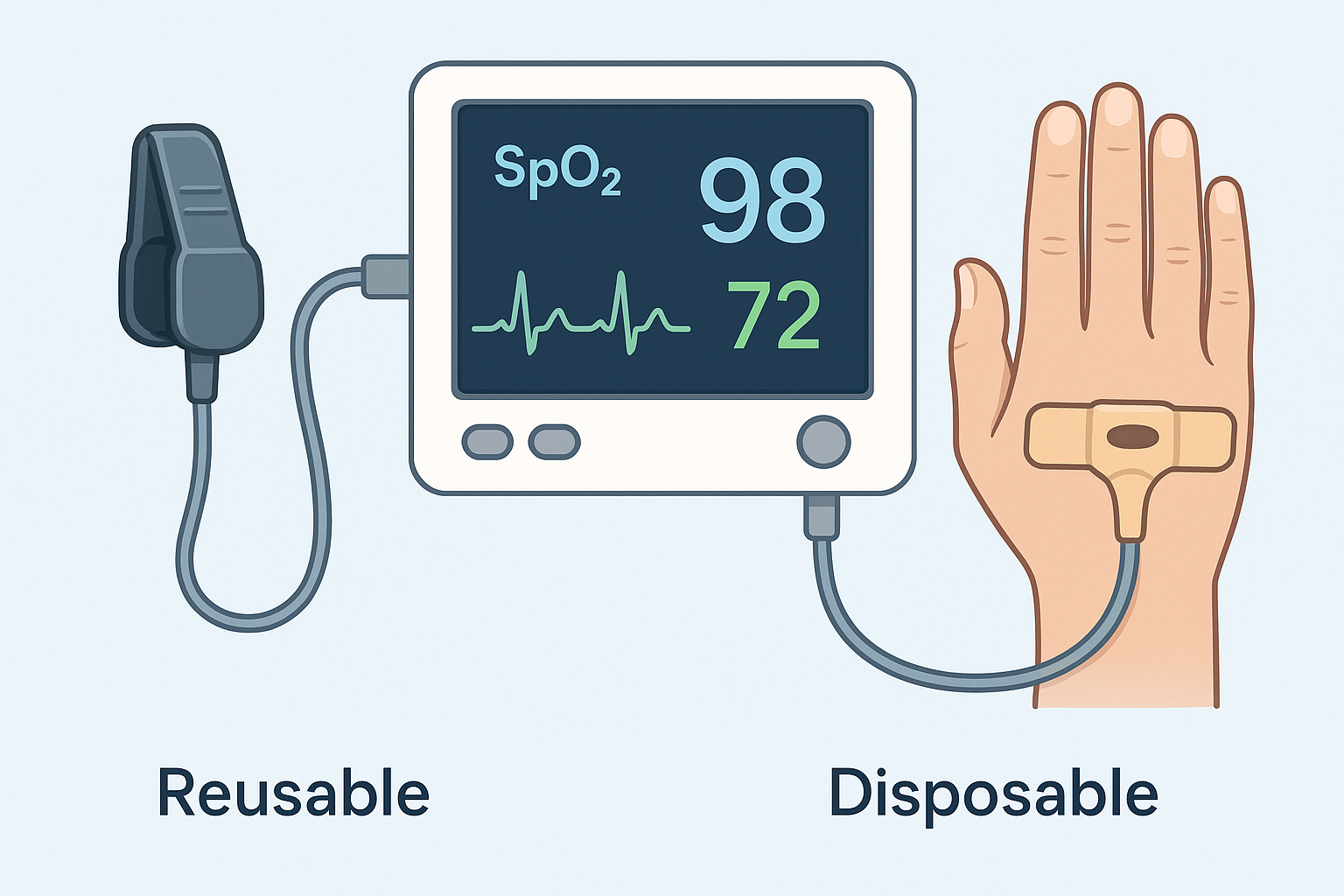
Pulse oximeters work by emitting light through tissue and detecting how much is absorbed, calculating oxygen saturation (SpO2). Different manufacturers use unique calibration algorithms, connector types, and sensor designs.
That's why not every sensor works with every monitor. Using the wrong sensor can cause:
- Inaccurate SpO2 readings
- Intermittent signal loss
- Device errors or alarms
- Patient safety risks
The Clinical and Financial Impact of Compatibility
Accurate SpO2 readings are vital for:
- Assessing respiratory distress
- Titrating oxygen therapy
- Monitoring sedation or anesthesia
- Managing patients with chronic lung disease
Inaccurate readings can delay interventions or lead to inappropriate oxygen use.
From a financial standpoint, compatibility also matters. OEM sensors can be costly. High-quality compatible sensors can deliver equivalent performance at a more sustainable price—if chosen carefully.
How to Verify SpO2 Sensor Compatibility
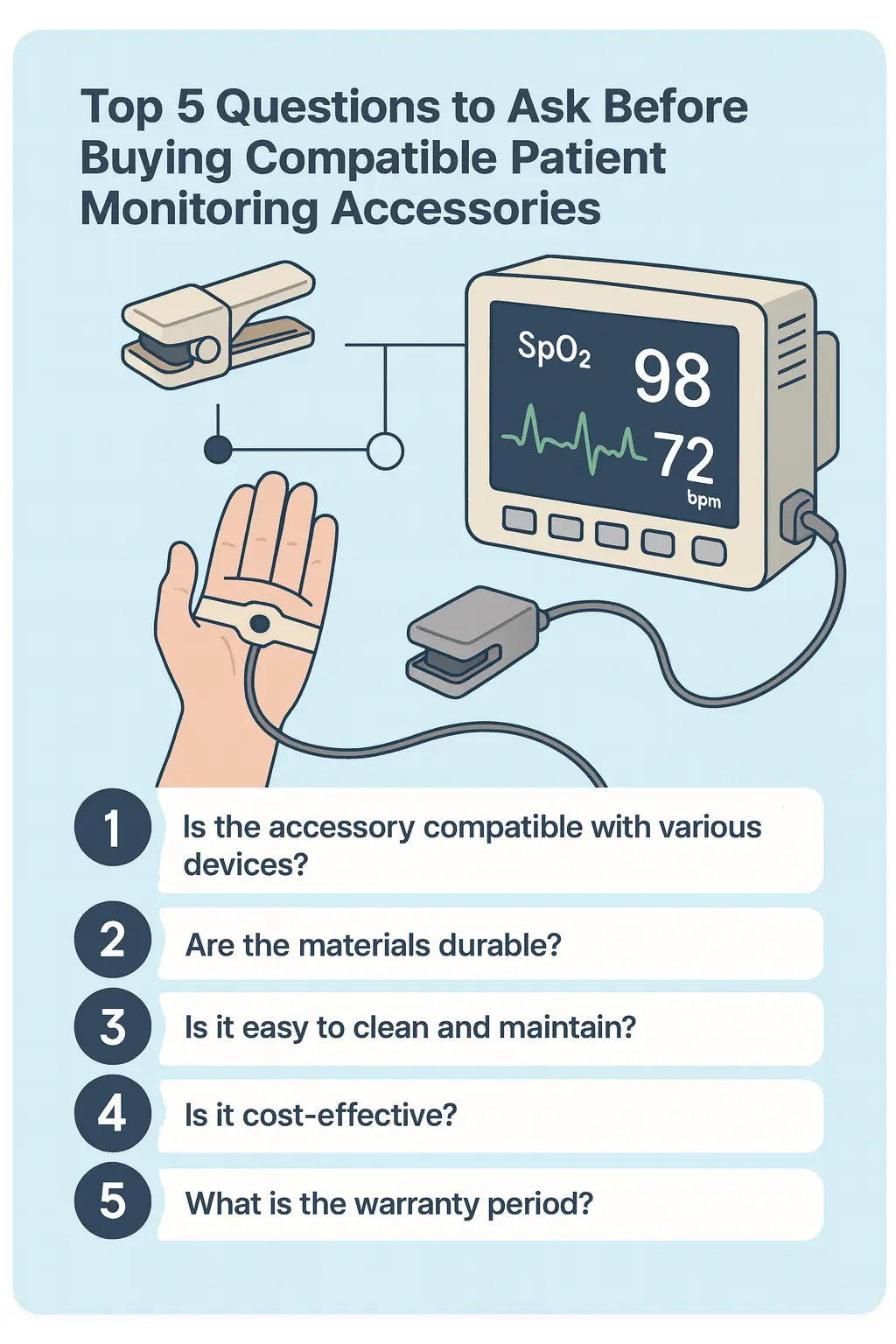
Here's a practical checklist to guide your team in selecting the right sensor:
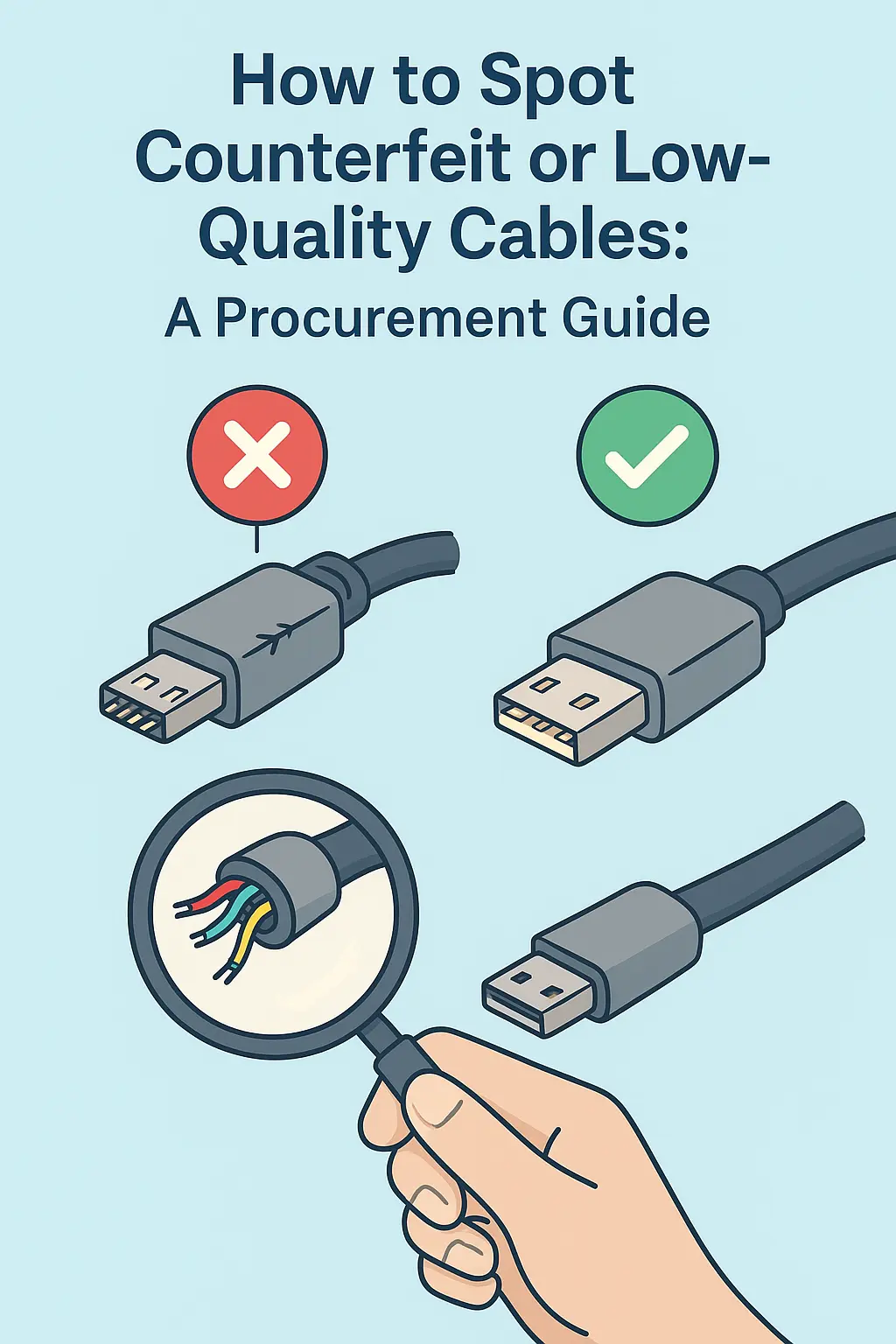
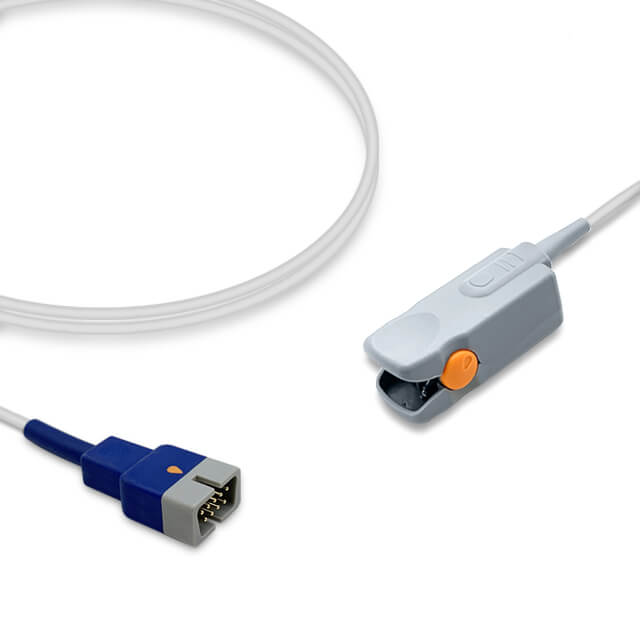
1. Check Connector Type
- Different devices use proprietary connectors:
- DB9
- Oximax-style
- Masimo-style
- Nellcor-compatible
- Visually inspect and verify connector compatibility with your specific monitor model.
2. Confirm Manufacturer Listings
- Reputable sensor manufacturers clearly list the monitors their products support. Always review:
- Compatible brands and models
- Equivalent OEM part numbers
- Any noted limitations or exceptions
- Pro Tip: Request documentation from your supplier to verify claims.
3. Review Certifications and Standards
- Quality matters. Look for:
- ISO certifications for medical device manufacturing
- FDA clearance (where applicable)
- CE marking for international use
- These indicators help ensure the sensor meets safety and performance standards.
4. Assess Sensor Design
- Patient comfort and signal quality depend on:
- Accurate emitter-detector alignment
- Appropriate size for patient population (adult, pediatric, neonatal)
- Reliable adhesive for secure placement
- Using the right sensor design reduces motion artifacts and improves reliability.
5. Consider Supplier Reliability
- Not all "compatible" sensors are equal. Evaluate your supplier's track record:
- Consistent supply availability
- Quality control processes
- Customer service and support
- Establish relationships with trusted vendors who understand your equipment and clinical needs.
Common Compatibility Pitfalls to Avoid
- Assuming all "compatible" sensors are the same. Quality varies widely.
- Ignoring connector details. Even slight variations can prevent secure connections.
- Overlooking pediatric/neonatal needs. Adult sensors are not safe substitutes for infants.
- Failing to train staff. Users need to know how to recognize and replace incompatible sensors.
Clinical Insight: Always standardize procurement and training across departments to reduce errors.
Benefits of Using High-Quality Compatible Sensors
- Cost Savings: Often 30–50% less than OEM equivalents without sacrificing performance.
- Supply Security: Avoid vendor lock-in and diversify sourcing.
- Sustainability: Reduce waste by selecting durable, high-quality options.
High-quality compatible sensors can deliver OEM-level performance while supporting your institution's budget goals.
How Medten Supports Your Compatibility Needs
At Medten, we know patient safety and cost management go hand in hand. That's why we offer a carefully curated selection of compatible pulse oximetry sensors designed for reliable performance across leading monitor brands.
Each sensor is rigorously tested for:
- Accurate, stable SpO2 readings
- Secure connector fit
- Patient comfort and safety
Our team understands the details that matter—from connector types to patient population needs.
Explore Our Compatible SpO2 Sensors Here
Frequently Asked Questions (FAQ)
Q: How do I know if a sensor is compatible with my monitor?
A: Check connector type, manufacturer compatibility listings, and request documentation. When in doubt, consult your supplier.
Q: Are compatible sensors as accurate as OEM sensors?
A: High-quality compatible sensors can deliver equivalent performance. Always verify certifications and supplier reputation.
Q: Can I use adult sensors on pediatric patients?
A: No. Pediatric and neonatal sensors are designed for size and physiology. Always use the correct type for safety and accuracy.
Q: Why do some sensors cost so much less?
A: Lower-cost sensors can vary in quality. Medten focuses on providing vetted, reliable compatible options to balance cost and performance.
Disclaimer
This content is provided for informational purposes only and does not constitute medical advice. Always follow your institution's protocols and manufacturer guidelines.