Introduction
Patient monitor accessories wear out through daily use, cleaning, movement, storage, and repeated connection cycles. A cable may still look usable while producing intermittent readings, loose connections, or recurring alarms.
A proactive replacement schedule helps biomedical teams reduce urgent repair requests, avoid last-minute sourcing, and keep essential accessories available. The right timing depends on the accessory type, clinical use, cleaning process, and facility policy.
Quick Replacement Guide
Use this table as a planning reference. Always follow the equipment manufacturer’s instructions, facility policy, and biomedical engineering procedures.
| Accessory | Inspect Regularly For | Replace When |
|---|---|---|
| SpO2 reusable sensor | Cracked housing, weak cable strain relief, inconsistent readings | Readings become intermittent or the cable/clip is damaged |
| SpO2 adapter cable | Bent pins, loose connectors, cracked jacket | Connection is unreliable or connector is worn |
| ECG/EKG leadwires | Corroded snaps, broken clips, frayed insulation | "Leads off" alarms persist after electrode and placement checks |
| ECG/EKG trunk cable | Loose connection, damaged jacket, intermittent signal | Signal drops or cable fails inspection |
| NIBP hose | Kinks, cracks, loose fittings | Air leaks or cuff inflation problems occur |
| NIBP cuff | Faded markings, worn bladder, weak closure | Sizing marks are unreadable or cuff fails pressure checks |
| Temperature probe | Slow response, cable damage, reading drift | Probe fails performance checks or cable is damaged |
| Fetal transducer | Cable wear, connector damage, inconsistent trace | Readings become unreliable or physical damage is visible |
| Battery or power accessory | Short runtime, charging issues, swelling, age | Device runtime drops or battery fails facility checks |
| Repair part | Wear, broken housing, keypad failure, door/hinge damage | Part fails function test or affects device usability |
SpO2 Sensors and Adapter Cables
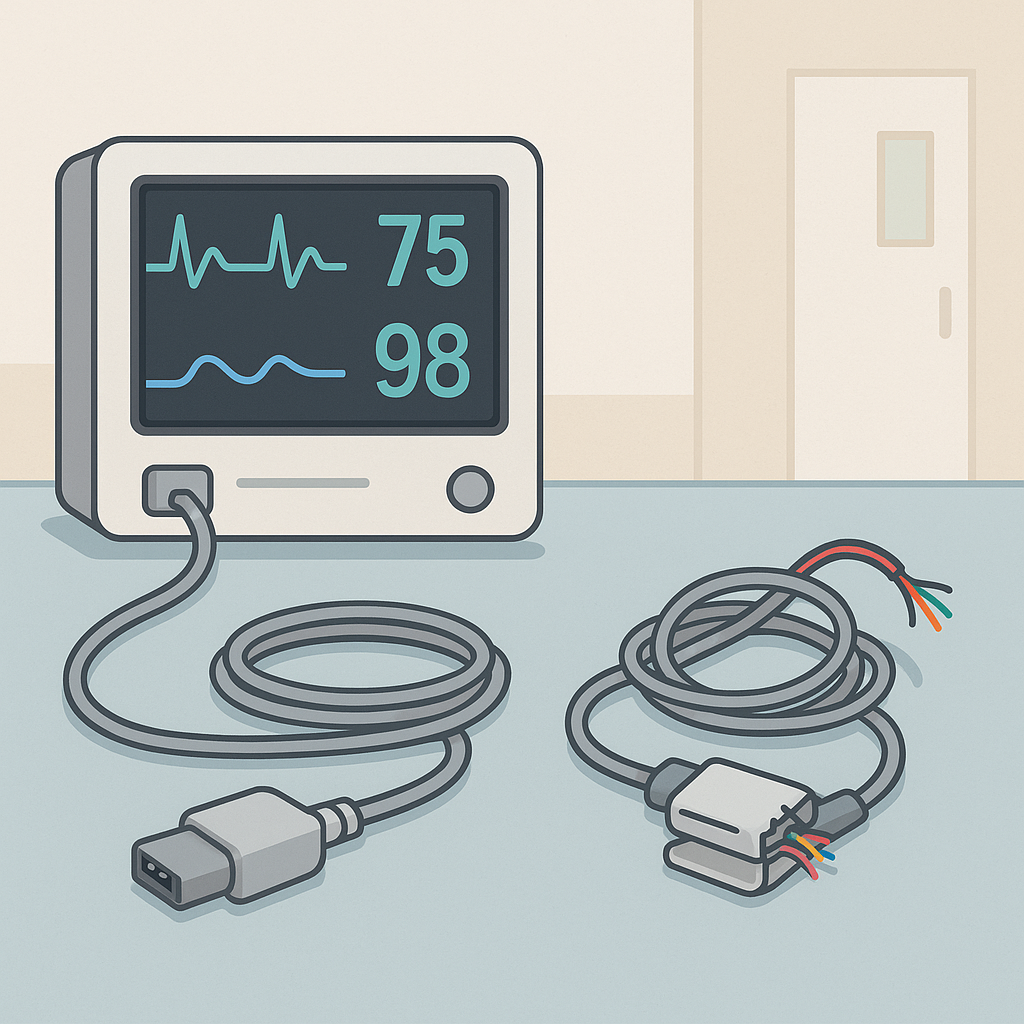
SpO2 accessories are handled frequently and may be exposed to cleaning agents, bending, pulling, and patient movement. Reusable sensors and adapter cables should be inspected for cable damage, connector wear, cracked housings, and intermittent readings.
Replace or remove from service when:
- The sensor only works in certain cable positions
- The clip or soft sensor is physically damaged
- The cable jacket is cracked or split
- Pins are bent, corroded, or loose
- Readings are inconsistent after patient placement and device checks
When ordering replacements, confirm the monitor brand, model, SpO2 technology, connector type, and patient population.
ECG/EKG Leadwires and Trunk Cables
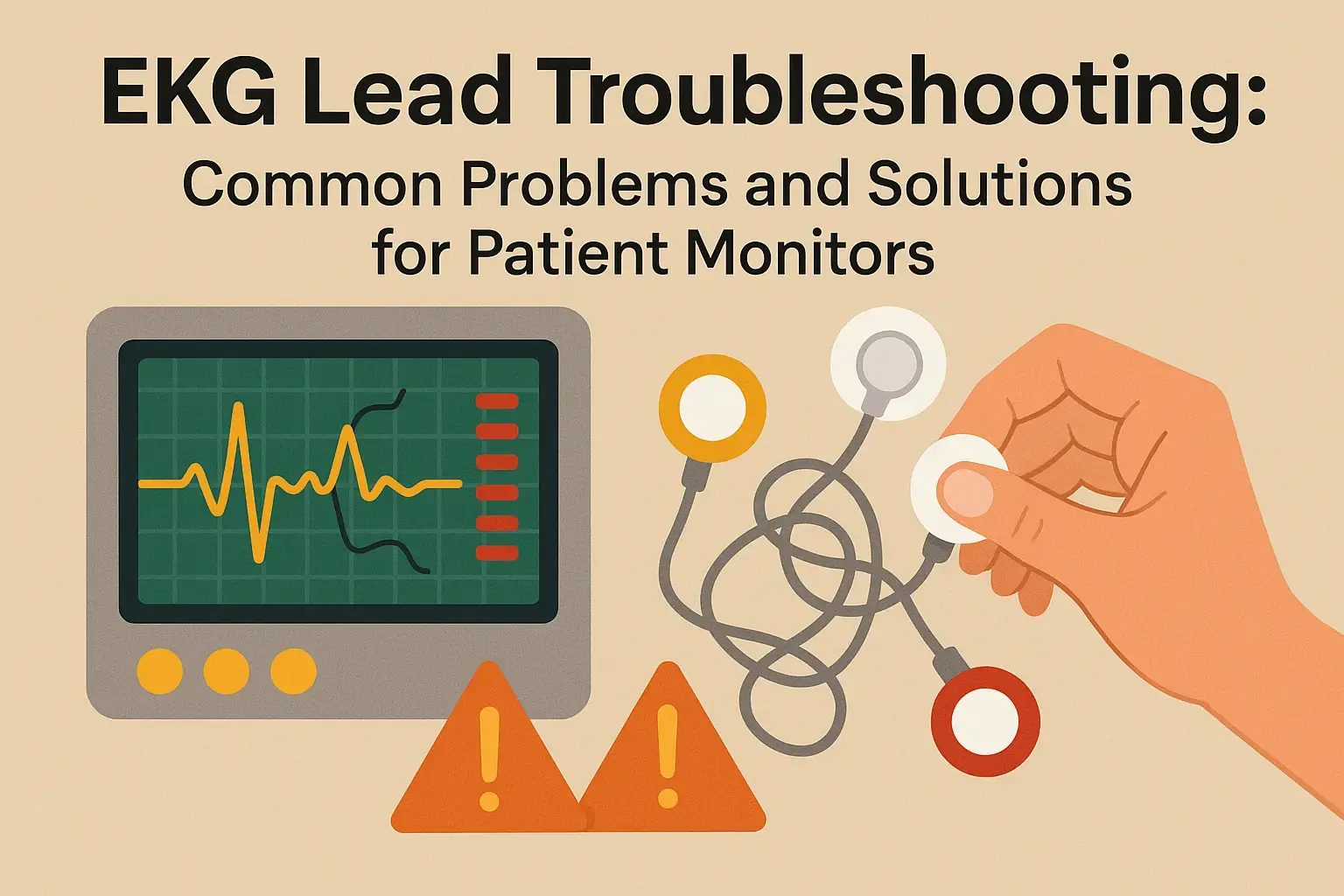
ECG accessories often fail from repeated handling, cleaning, and connector stress. A common warning sign is a recurring "Leads Off" message or poor waveform quality after electrode placement and skin preparation have already been checked.
Inspect ECG/EKG accessories for:
- Corroded snaps
- Broken clips or pinchers
- Loose leadwire connections
- Frayed cable insulation
- Damaged trunk cable connector
- Intermittent signal when the cable moves
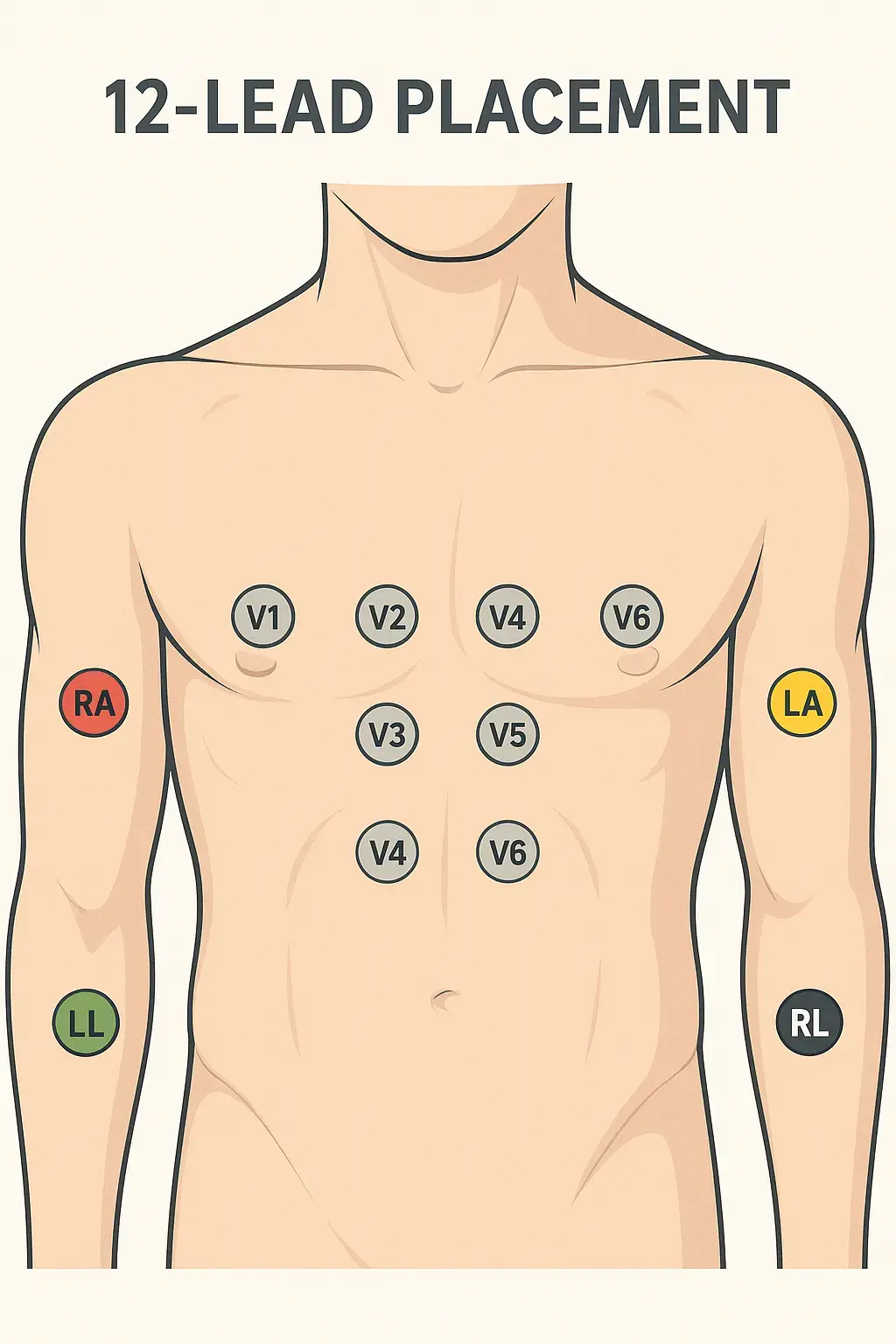
Confirm whether the replacement should be 3-lead, 5-lead, 10-lead, or 12-lead, and whether the patient end uses snap, clip, pincher, or another connection style.
NIBP Cuffs and Hoses
NIBP accessories can wear out through pressure cycles, cleaning, and repeated connection to monitors. Air leaks, slow inflation, failed pressure checks, or worn cuff markings can all indicate replacement is needed.
Confirm cuff size, hose connector, monitor compatibility, and whether the facility uses reusable or disposable cuffs.
Batteries and Power Accessories
Batteries should be tracked as part of preventive maintenance. Warning signs include shorter runtime, charging failure, device power interruptions, or age beyond facility replacement guidelines.
For replacement batteries, confirm:
- Device brand and model
- OEM reference number
- Voltage
- Chemistry
- Connector or pack style
- Facility service procedure
Fetal Monitoring Accessories
Fetal transducers, TOCO accessories, ultrasound transducers, DECG cables, and leg plate cables should be inspected for physical wear, damaged connectors, and inconsistent traces.
Because fetal monitoring accessories can vary by device series and connector, confirm the exact monitor model and OEM reference before ordering a compatible replacement.
Repair Parts
Biomedical repair parts such as doors, keypads, flow cables, power adapters, and module parts should be sourced based on exact device model and part reference. For repair parts, visual confirmation is especially helpful because small design variations can affect fit.
How to Build a Replacement List
Create a simple replacement planning sheet with:
- Department or location
- Device brand and model
- Accessory type
- OEM reference number
- Current compatible part number
- Quantity needed
- Last replacement date
- Failure or inspection notes
- Preferred inventory level
This makes it easier to reorder quickly and avoid urgent part searches.
Internal Resources
Final CTA
Building a replacement list for your monitors or repair parts? Send Medten your device models, OEM references, and quantities needed. Medten can help identify compatible accessories and parts for your facility.
Frequently Asked Questions
How often should patient monitor accessories be replaced?
Replacement timing varies by accessory type, usage, cleaning process, and facility policy. Inspect accessories regularly and replace them when they fail inspection, show physical damage, or cause recurring performance issues.
What is the most common sign that an ECG leadwire needs replacement?
Persistent poor waveform quality or "Leads Off" alarms after electrode placement and skin prep have been checked may indicate leadwire or cable wear.
Can damaged cables be repaired?
Follow your facility’s biomedical engineering policy. In many cases, damaged patient cables or sensors should be replaced rather than repaired, especially when insulation, connectors, or patient-contact components are compromised.
How do I avoid ordering the wrong replacement?
Confirm the device brand, model, OEM reference number, connector type, patient type, and accessory configuration before ordering.
Should facilities keep spare accessories on hand?
Yes, many facilities benefit from keeping frequently used accessories in stock, especially SpO2 sensors, ECG leadwires, NIBP hoses, batteries, and high-use repair parts.
Related Articles